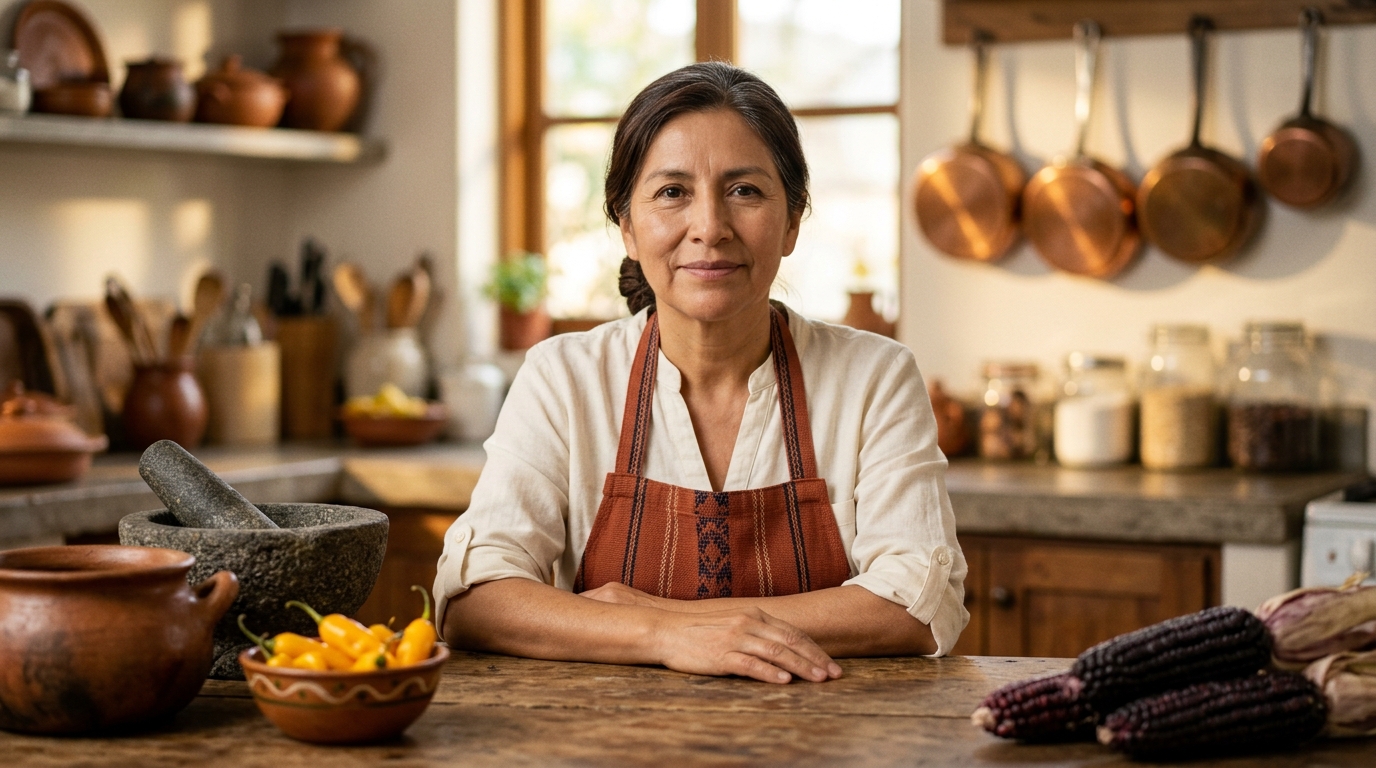
“Hola, mija. If your Ceviche (Cebiche) turns into rubbery pickled fish, your Lomo Saltado boils into gray beef, or your Huancaína curdles into watery grit, it is not your fault. American grocery store ingredients behave differently than produce in Surquillo or Yanahuara. For 25 years in Ohio and Florida, I cracked the exact grocery swaps and marine chemistry so you never have to hunt for specialty Latin markets again.”
Food bloggers copy-paste generic tips without understanding the chemistry of American produce, electric burners, or commercial dairy. Here are the 3 culinary traps Doña Elena solves forever:
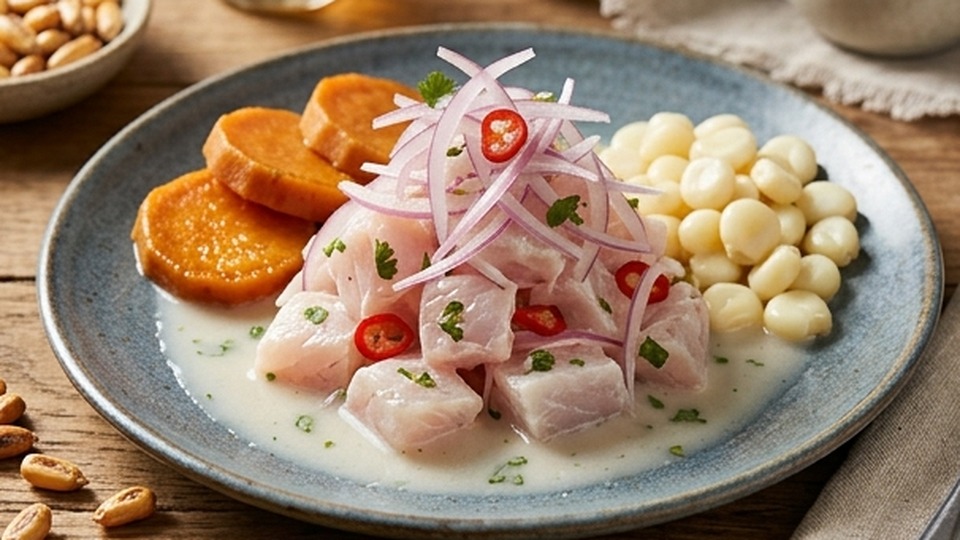
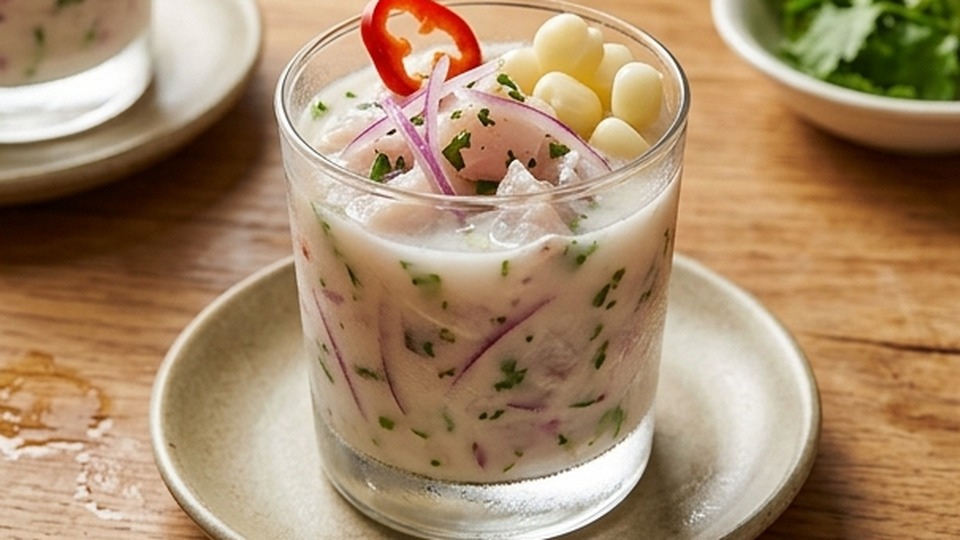
American cookbooks tell you to soak raw fish in lime juice for 4 hours in the fridge until opaque. This destroys the fish completely. Over-marinating turns tender ocean fillets into chalky, rubbery pencil-erasers! Worse, squeezing limes flat with steel presses releases acrid limonin oils from the bitter white pith (albedo). Real Lima cebicherías flash-cure cold fish for exactly 3 minutes, using a 30-second sea salt massage to open the protein fibers (myosin) and gently hand-pressing Key Limes to only 60% capacity for sweet, electric Tiger’s Milk.
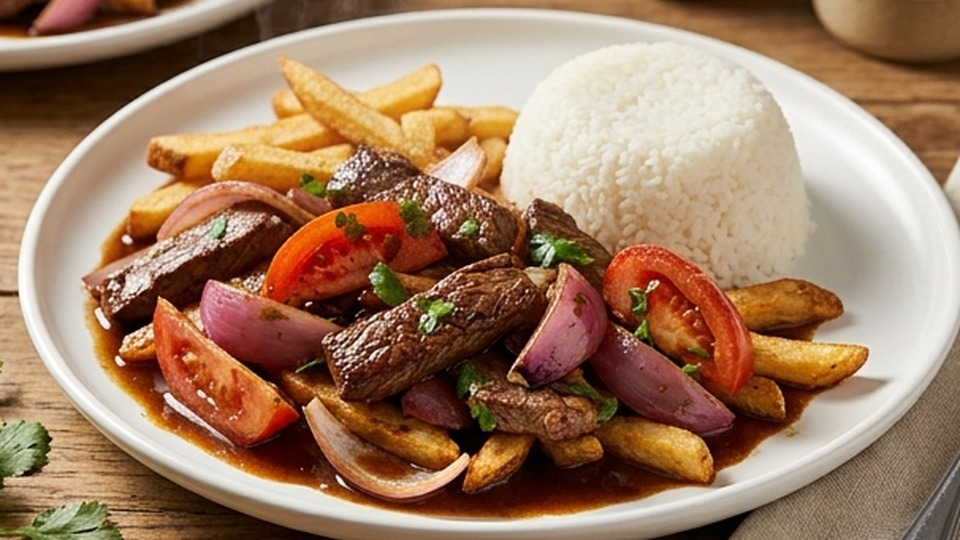
Peruvian chifas use 100,000 BTU jet burners to achieve wok hei. When an American home cook dumps 1.5 lbs of cold steak into a thin non-stick skillet on an electric coil stove, the metal temperature plummets below 212°F. The meat releases intracellular moisture and boils in its own gray broth. Elena teaches you the 1/2-lb (225 g) batch searing sequence in smoking-hot cast iron (450°F–480°F+) with high-smoke-point oil that brings authentic chifa char into any home kitchen.
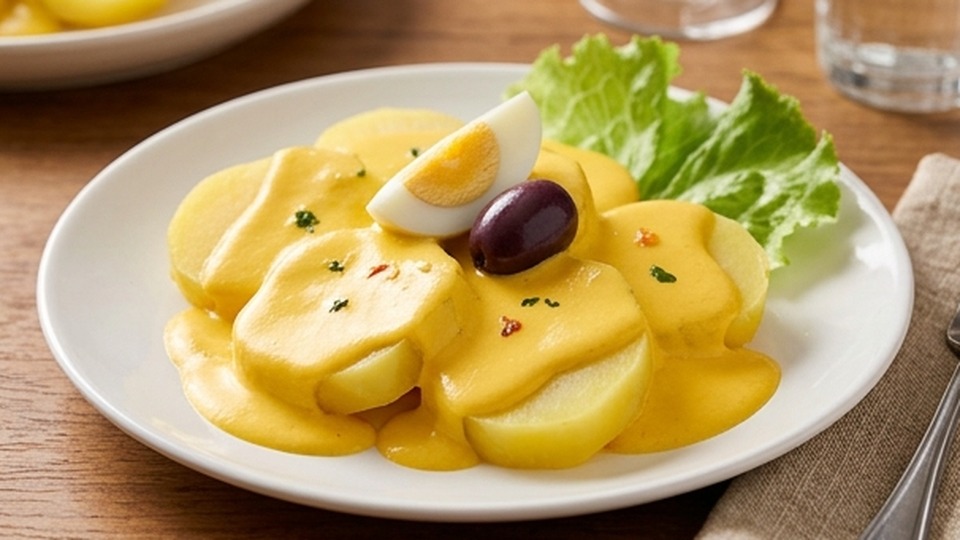
Trying to make Salsa Huancaína with cold feta or Philadelphia cream cheese results in an oily, curdled sludge that breaks 10 minutes after plating. The true grandmother secret is a stable suspension created by starch gelatinization: Saltine crackers (amylase starch network) combined with warm sautéed ají paste and room-temperature Mexican Queso Fresco. It stays glossy, rich, and velvety even when chilled.
Every single recipe, sauce, and slow-simmered stew in this manual has been tested and refined in ordinary Kroger, H-E-B, Walmart, Trader Joe’s, and Whole Foods aisles. If you have an ordinary American stove, you can cook legendary Peruvian food tonight.
Elena was raised in two distinct culinary worlds: the lively, coastal fish markets of Lima and the fragrant, volcanic-stone kitchens of Yanahuara in Arequipa. When she emigrated to the United States in the late 1990s, she faced the exact frustration you feel today: limp supermarket cilantro, missing chicha de jora, and yellow peppers that cost an arm and a leg in dried bodega bags.
Instead of giving up or cooking bland adaptations, Elena treated the American supermarket as her laboratory. She tested hundreds of variations of potatoes, chiles, vinegars, and beer until she uncovered the food science formulas that duplicate the exact depth of Peruvian family cooking.
Every page is designed for high-density countertop reading with laminated-friendly margins, high-contrast typography, and step-by-step culinary chemistry.
The master science matrix. Precise Tier 1 (commercial jarred) and Tier 2 (100% fresh supermarket produce) replacements for Ají Amarillo, Ají Panca, Rocoto, Huacatay, Chicha de Jora, and Papa Amarilla. Includes heat scales (Scoville) and American butcher meat cuts.
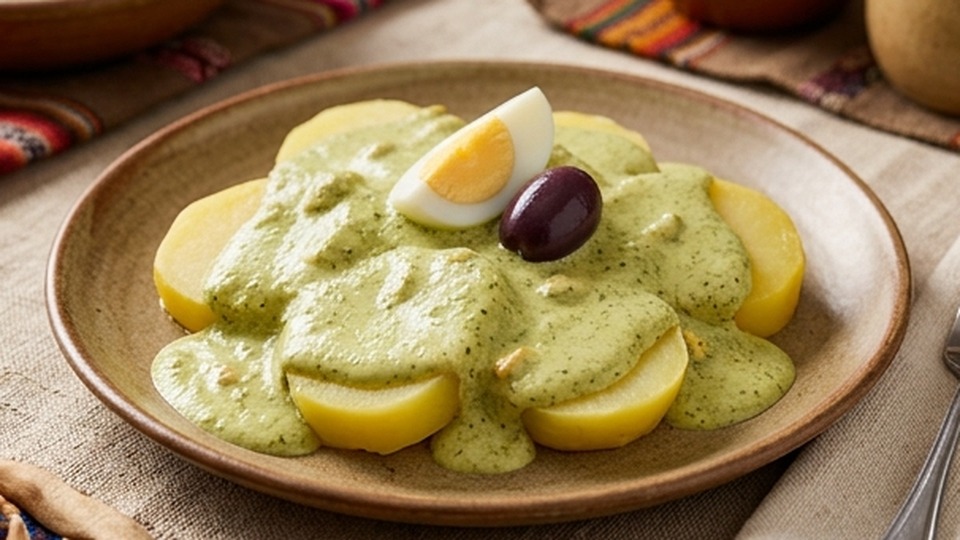
Master the foundational aromatic soul of Peruvian gastronomy: The Golden Base Aderezo, Salsa Huancaína (fail-proof emulsified), Salsa Ocopa Arequipeña, Pollería Ají Verde, and authentic Leche de Tigre concentrate without battery acid bite.
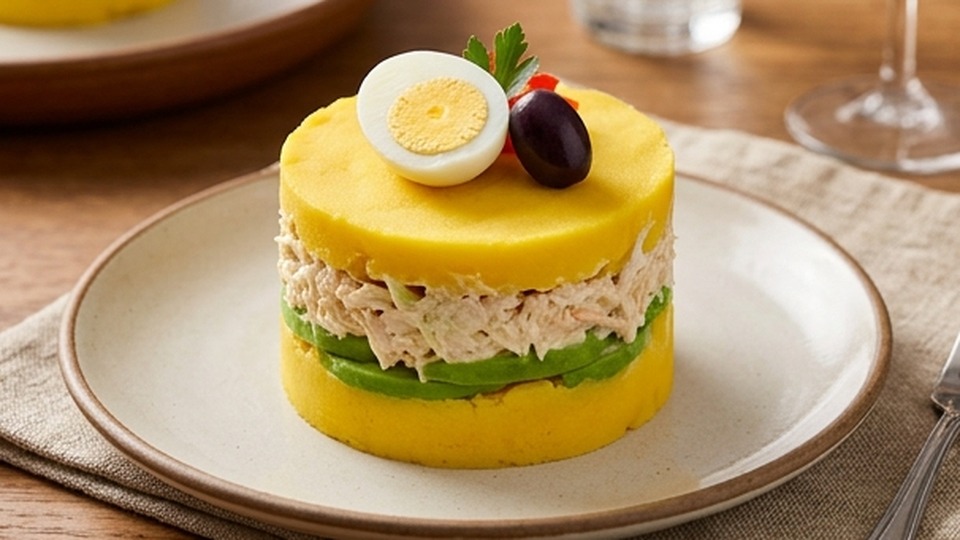
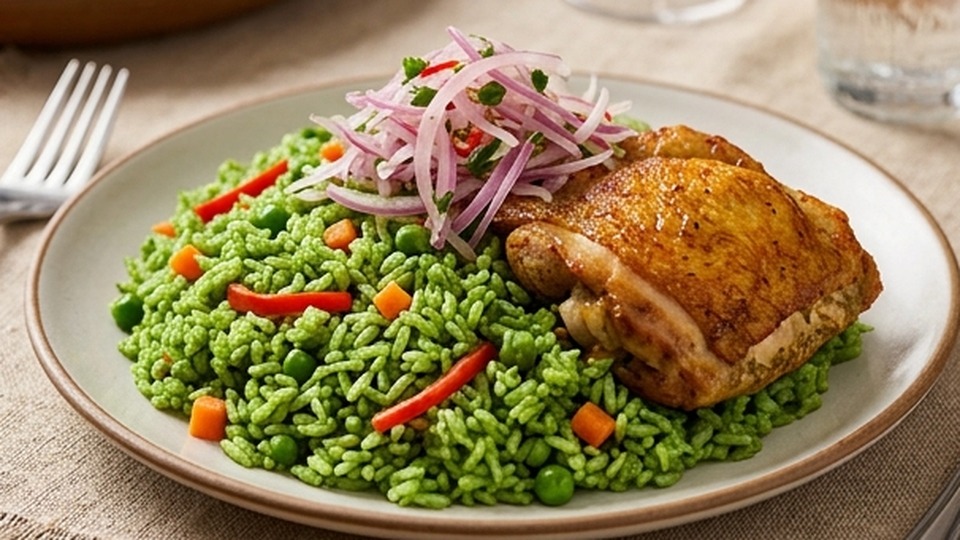
Six coastal icons: 3-Minute Ceviche Clásico Limeño, High-Heat Cast-Iron Lomo Saltado, Velvety Ají de Gallina with Pecans, Rosemary-and-Dark-Beer Pollo a la Brasa, Causa Rellena Limeña (70% Yukon Gold + 30% Russet), and Emerald Arroz con Pollo.
Six slow-cooked treasures: Seco de Res thickened naturally with grated squash, Sunday Adobo Arequipeño, stuffed Rocoto Relleno with hand-diced steak & roasted peanuts, layered Pastel de Papa with whole anise seeds, Locro de Zapallo, and Solterito Arequipeño.
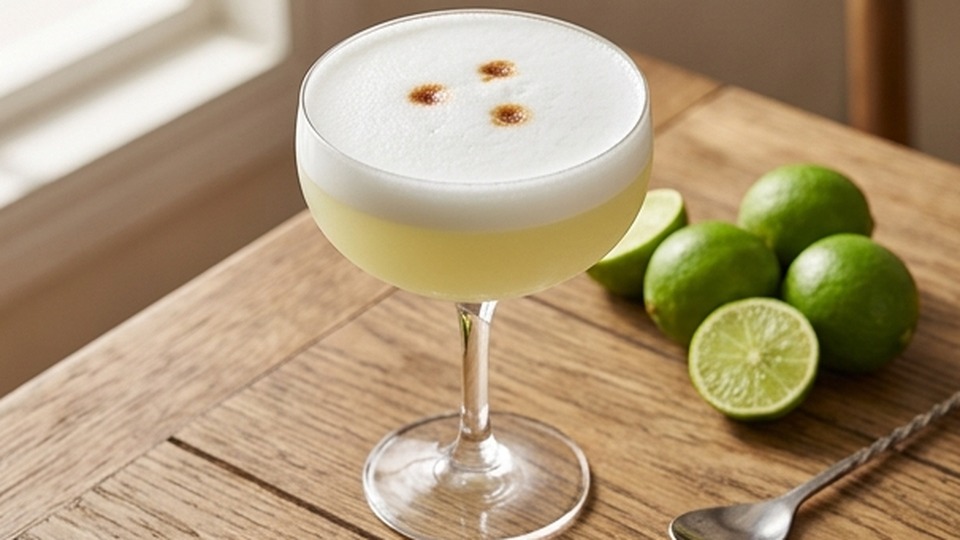
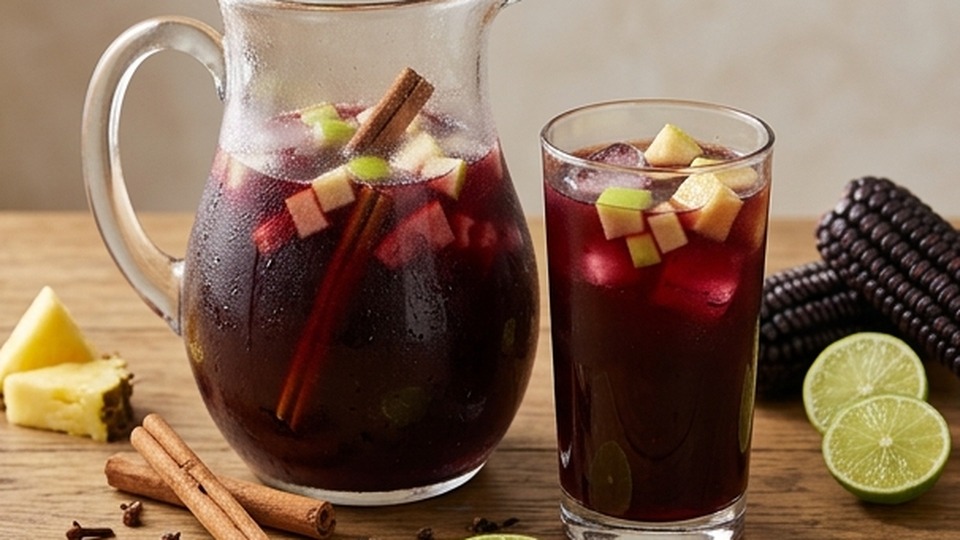
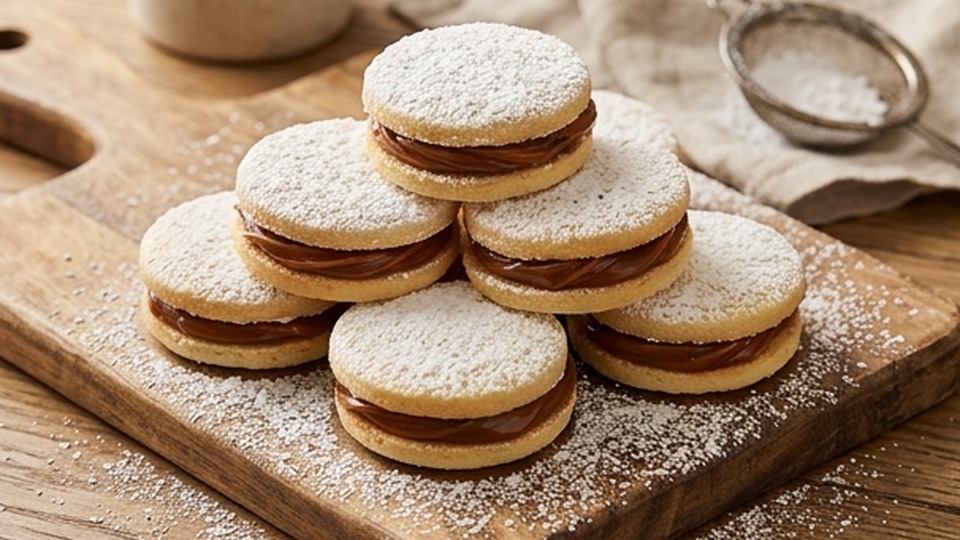
Seven celebratory classics — The 3-1-1 Pisco Sour, Chicha Morada Casera, silky Suspiro a la Limeña, spiced Mazamorra Morada, creamy Arroz con Leche Peruano (“El Clásico”), Picarones with Miel de Chancaca, and 60%-cornstarch Alfajores — plus the Countertop Rescue Index, Allergen Matrix & USDA/FDA Safe-Temperature Chart.
No mystery ingredients, no guesswork. Every dish below has been tested in American kitchens using everyday supermarket cuts, produce, and our precision substitution matrix.
Fresh Halibut or Snapper cured in 60%-pressed Key Lime juice with paper-thin red onions & aji limo.
Wok-seared beef tenderloin at 450°F–480°F with red onions, Roma tomatoes & crispy fries.
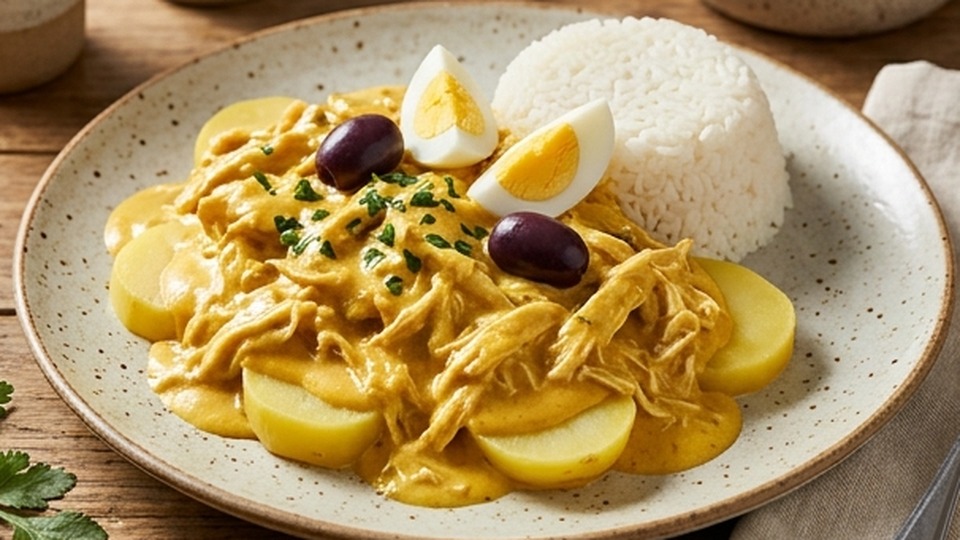
Poached shredded chicken (165°F safe) in golden ají amarillo cream with chopped pecans (or walnuts), Parmesan & evaporated milk.
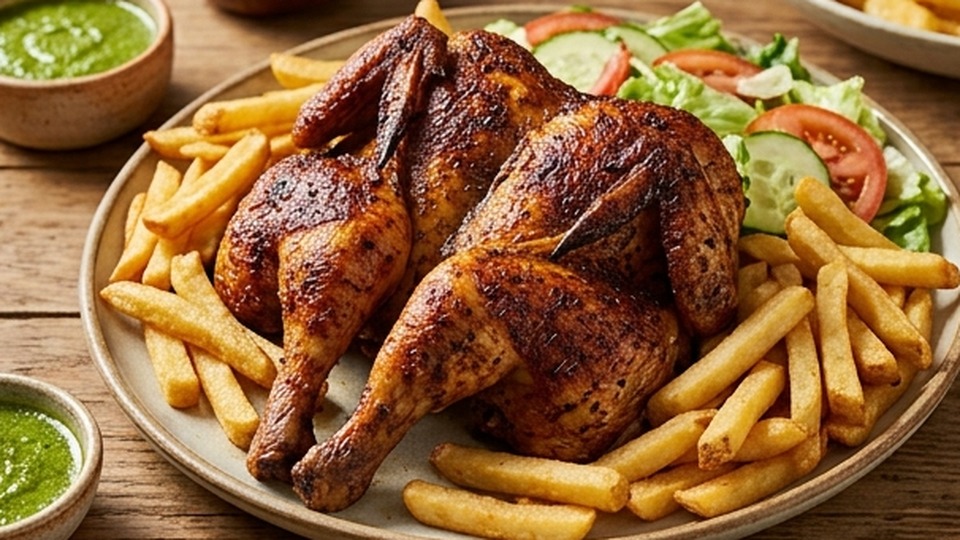
Peruvian rotisserie-style chicken marinated 24h in dark beer, soy sauce, ají panca, cumin, crushed rosemary & a touch of smoked paprika.
Golden ají amarillo & Mexican Queso Fresco emulsified with saltine crackers over boiled Yukon Golds.
Toasted peanuts, Queso Fresco & aromatic huacatay herb sauce with yellow chiles.
Layered mashed potato terrine (Yukon Gold + Russet) seasoned with lime & ají, layered with avocado.
Fragrant long-grain rice simmered in cilantro puree, American blonde lager & golden aderezo.
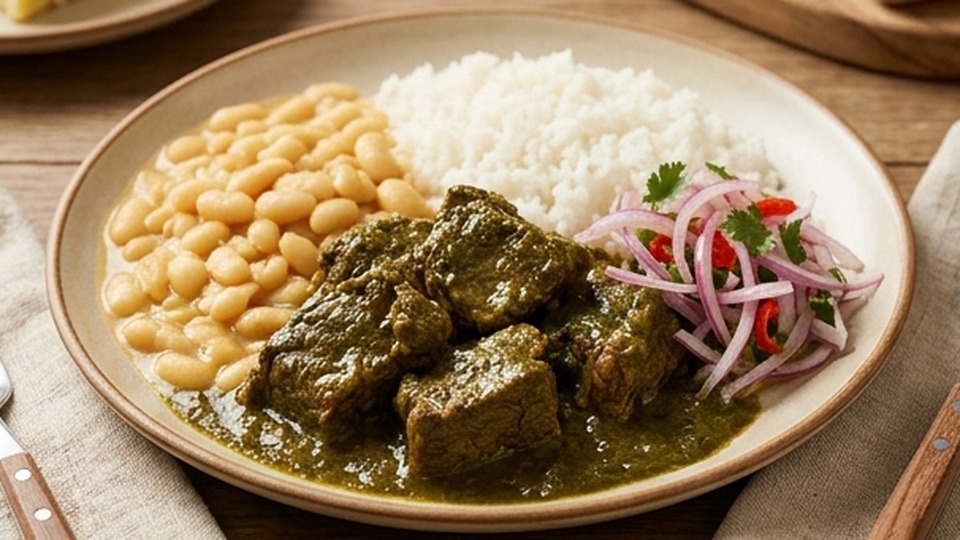
Slow-braised beef chuck roast in emerald cilantro-and-beer gravy thickened naturally with finely grated loche/kabocha squash.
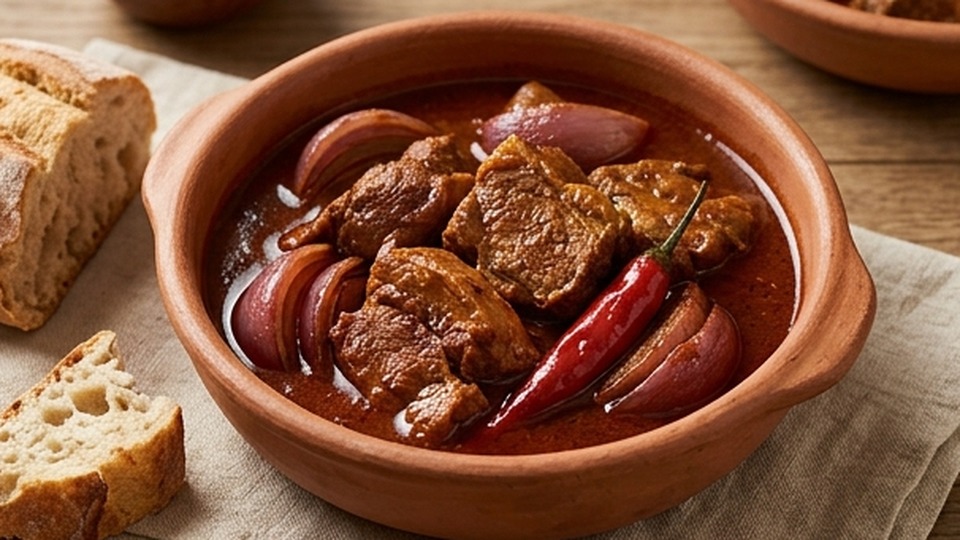
Sunday pork shoulder stew steeped in fermented chicha substitute, ají panca paste, cumin & onions.
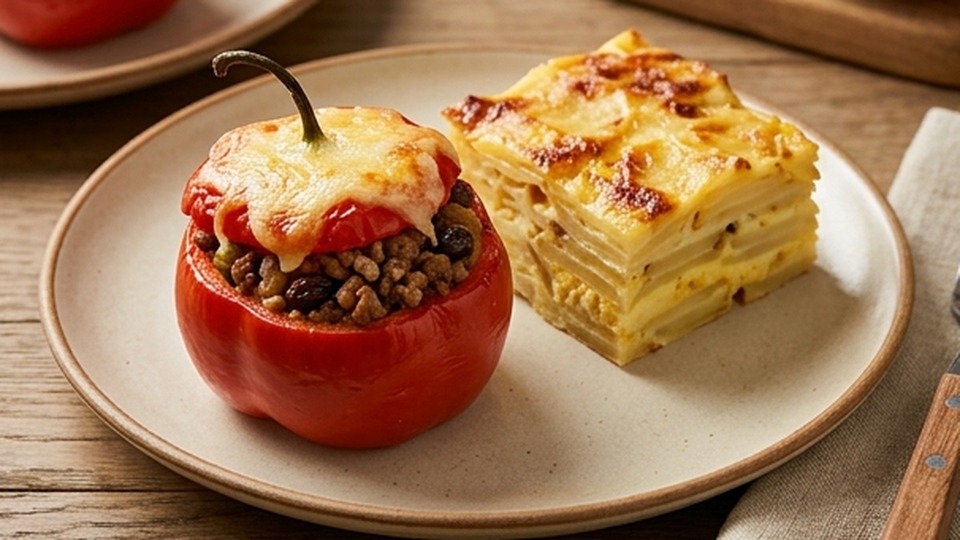
Chile Manzano or Rocoto stuffed with hand-diced sirloin, chopped roasted peanuts, raisins, olives & melted Queso Paria custard cap, paired with layered anise-scented Pastel de Papa.
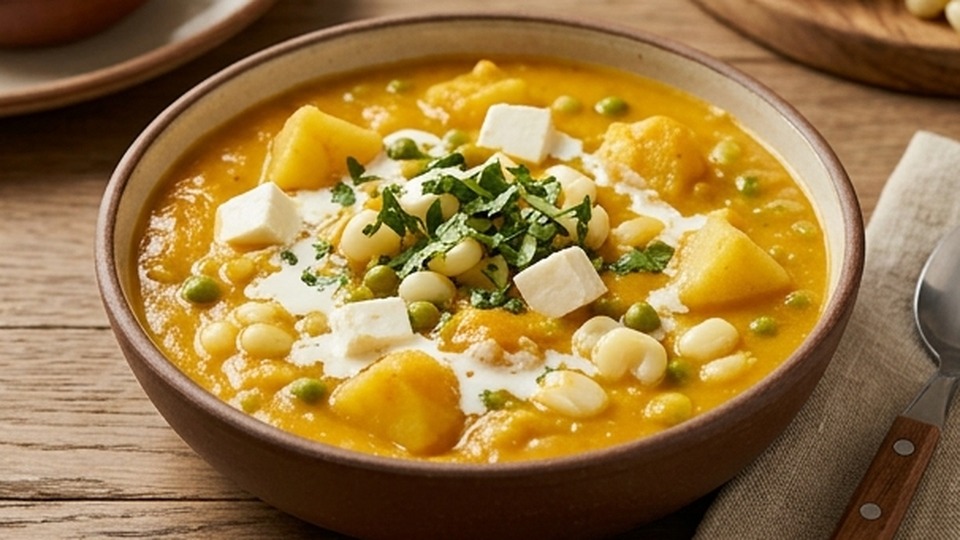
Sweet Kabocha & Butternut squash simmered with corn kernels, green peas, Queso Fresco & mint.
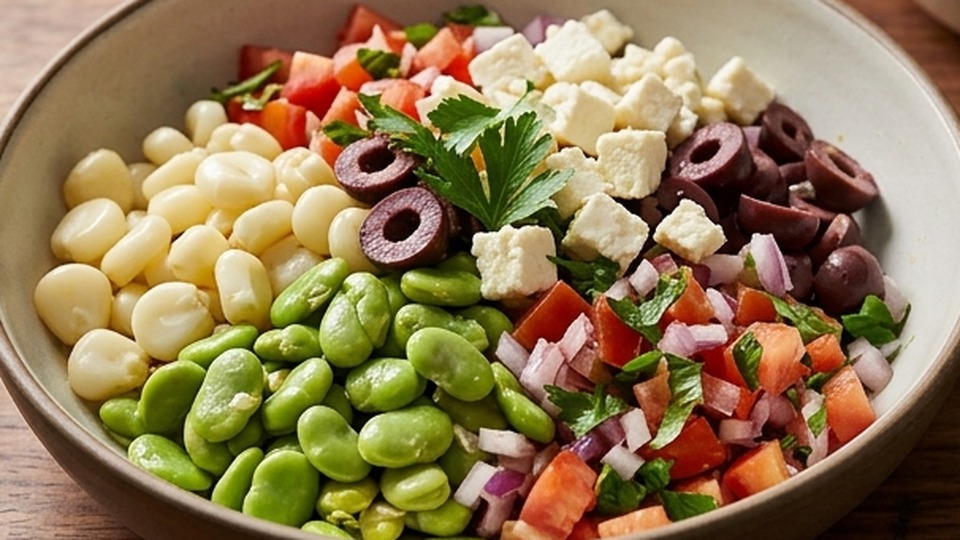
Crisp chopped Andean salad with tender fava beans (or edamame), choclo, Queso Fresco & Botija olives.
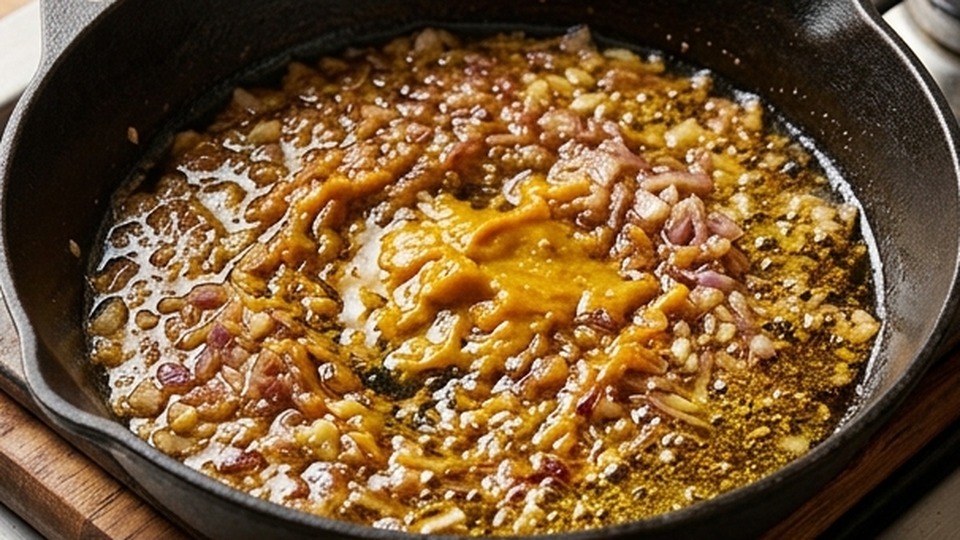
The triple-phase mother base of red onions, garlic & ajíes that builds the foundation of Peruvian stews.
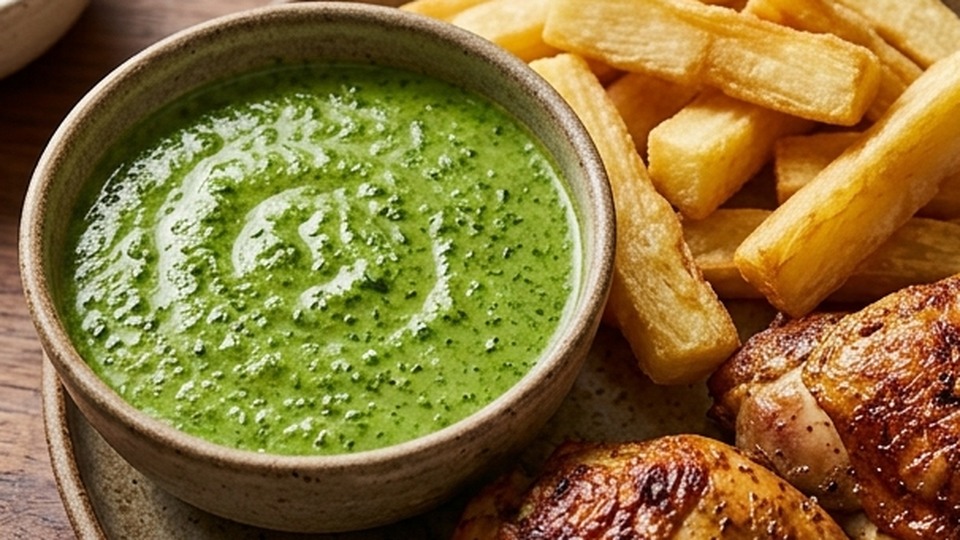
The addictive, creamy green sauce served at Lima rotisserie chicken joints with huacatay & lime.
The electric citrus shot: freshly blended fish fumet, Key Lime juice, celery, ginger & ají limo.
3 oz Quebranta Pisco, 1 oz Key Lime, 0.75 oz syrup with silky pasteurized egg white foam & bitters.
Deep purple corn simmered with cinnamon, cloves, pineapple rind & apples, spiked with lime juice.
Melt-in-your-mouth cornstarch & wheat shortbread cookies sandwiched with golden Dulce de Leche.
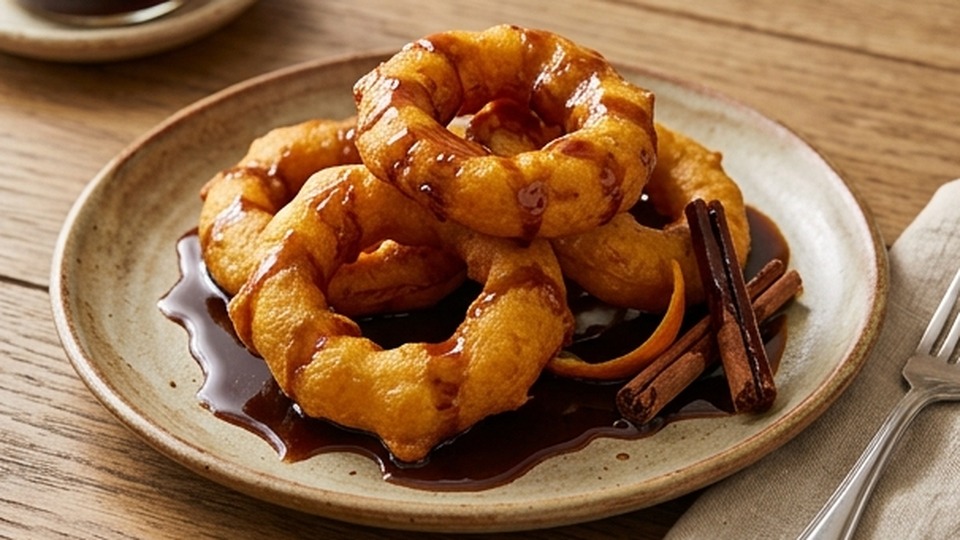
Crispy squash & sweet-potato yeast fritter rings fermented in warm anise-and-cinnamon cooking water, drizzled with spiced chancaca syrup.
No vague prose. Every recipe features exact metric & imperial measures, temperature targets, and tested supermarket substitutes.
| Tier | Supermarket Fish Variety |
|---|---|
| Tier 1 | Fluke (Summer Flounder), Black Sea Bass, or Corvina (sold for raw use) |
| Tier 2 | Pacific Halibut, Grouper, or Genuine Red Snapper (sold for raw use) |
| BANNED | Farmed Tilapia, Swai/Basa (mushy/earthy mud odor) |
Meat Cut: Sirloin flap meat (Bavette) or Flat Iron cut into 1/2" x 2" batons against the grain.
Batch Rule: Max 1/2 lb (225 g) per batch in a 12" cast-iron skillet preheated to 450°F–480°F+.
Deglaze: 2 tbsp soy sauce + 2 tbsp red wine vinegar + 1 tbsp broth/oyster sauce flashed 15 sec.
Per 1 Cup Chicha needed:
• 3/4 Cup American Blonde Lager (Budweiser/Miller) or Dark Munich.
• 2 tbsp Organic Apple Cider Vinegar (with the mother).
• 1/2 tsp brown piloncillo or dark brown sugar.
“I spent three years trying to make my Peruvian husband the Lomo Saltado his grandmother made in Miraflores. Every time, it turned into stewed beef in brown water. Doña Elena’s cast-iron 1/2-pound batch rule and the sirloin flap / flat-iron cut recommendation changed everything. My husband literally teared up at dinner.”
“We made the 3-Minute Ceviche (Cebiche) using fresh wild Red Snapper and Key Limes from Whole Foods, strictly following Elena’s 60% squeeze rule and 30-second sea salt massage. The Leche de Tigre had that exact electric, creamy lime vibrancy we fell in love with in Miraflores and Barranco. No rubbery fish, zero bitter aftertaste. Our dinner guests literally drank the remaining tiger’s milk directly from their bowls!”
“I am 69 and love serious cookbooks like America’s Test Kitchen. This manual has zero filler. It gives you the culinary why, the chemistry of the aderezo, and the exact timing down to the second. The printable flashcards on my countertop are worth twice what I paid.”
Download the 32-page manual and all 3 bonuses today. Cook the Lomo Saltado, make the Salsa Huancaína, and mix a 3-1-1 Pisco Sour. If your family does not agree that this is the most authentic, rich, restaurant-caliber Peruvian meal ever made in your house, simply send an email to support@elenasperuviankitchen.com within 30 days and we will refund every penny. No questions asked. You keep all PDFs on your computer forever.
Get the Complete 42-Page System: The 32-Page Master Bible + Substitution Atlas (4 pgs) + 5 Mother Aderezos Flashcards (4 pgs) + Dinner & Pisco QuickCard (2 pgs).